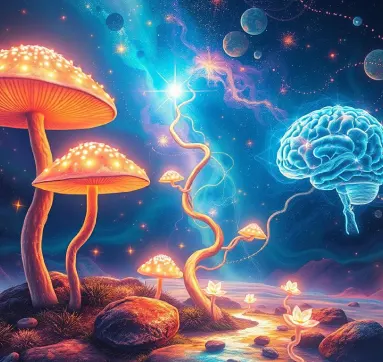


There is a moment many people describe in almost the same way: you take a psychedelic, nothing seems to happen, you check the clock, you wonder whether it is working, and then, somewhere along the way, the room starts to feel a little different. Time feels strange. Colours can seem richer. Thoughts can move in unexpected directions. Suddenly, the clock you were watching is no longer very interesting.
So, how long do shrooms actually last? For orally consumed psilocybin mushrooms, Health Canada says effects commonly begin within about 15 to 45 minutes and usually last around four to six hours. Research shows that the experience can vary considerably from one person to another, which is why a trip should be treated as a range rather than a countdown.
This guide breaks down that timeline in plain English, explains why the clock is different for everyone, looks at what science actually says about potential benefits, and covers the part that matters most: staying safe when perception and judgment are temporarily changed.
The short answer, how long does a shroom trip last?
Plan for roughly four to six hours of noticeable effects, with the first effects often appearing within 15 to 45 minutes. The strongest part commonly occurs during the first few hours, followed by a gradual comedown. Some people may feel residual effects or tiredness afterward.
Subtle changes may begin. Some people notice a little more sensory awareness, calm, or a shift in attention.
The experience can become more noticeable, with changes in mood, focus, creativity, or perception.
For some people this is the most noticeable period. Intensity varies widely from person to person.
The stronger effects generally begin to soften, with attention and perception gradually returning toward baseline.
Some people describe a calm, reflective, or refreshed feeling afterward. Others simply feel normal again.
Why People Notice the Difference
Mood
Some people report a lighter, more open, or reflective mood.
Focus
Attention can feel different — sometimes more fluid, sometimes less structured.
Creativity
New associations and ideas may feel easier to notice.
Sensory Awareness
Colours, music, textures, and surroundings can feel more vivid.
Individual experiences vary considerably. This information is educational and not a guarantee of effects or timing.
After effects: Residual effects can remain variable into the evening or next morning, and feeling mostly normal is not a reliable test of sobriety.
Why the timeline is not the same for everybody
Psilocybin is not a microwave dinner: you cannot set the timer and expect the exact same result every time. The amount of active compound, the individual, digestion, food, other substances, medications, expectations and surroundings can all influence how the experience feels and how quickly it develops.
- Mushroom potency can vary: Potency differs between batches and even between individual mushrooms in the same crop.
- Body chemistry and metabolism: Metabolic rates differ significantly from person to person.
- Food and digestion: A full stomach can slow absorption and delay the initial onset.
- Other drugs or alcohol: Mixing substances changes the subjective experience and escalates physiological risks.
- Medications: Psychiatric and prescription medications can directly alter or blunt metabolic processing.
- Set and setting: Stress, expectations, and physical surroundings strongly guide the subjective course of a journey.
One important myth is that a mushroom name gives you a perfectly predictable strength. It does not. The active compound can vary, and informal strain names are not a substitute for laboratory measurement.
The shroom trip timeline, hour by hour
0 to 45 minutes, waiting for the first signs
At the beginning, there may be very little to notice. Then subtle changes can appear: perhaps a different body sensation, a shift in attention, a change in mood, or a feeling that ordinary surroundings are becoming unusually interesting.
This is where impatience can become a problem. A delayed onset does not automatically mean that nothing is happening. Taking additional substances simply because the first effects have not appeared can make the eventual experience much harder to predict.
45 to 120 minutes, the come up
This is often when the experience becomes unmistakable. Perception can change, emotions can become more noticeable, and the ordinary sense of time can start behaving in unfamiliar ways. Some people find the transition fascinating; others find it uncomfortable. A quiet, familiar setting and a trusted sober person can make a major difference.
About 1 to 3 hours, the strongest part
For many people, this is the heart of the experience. Visual changes, altered thinking, heightened emotions and unusual associations may become more pronounced.
It is also the point where judgment can be significantly impaired. Driving, swimming, climbing, traffic, machinery and other situations where a mistake could become an emergency should be completely off the table.
3 to 6 hours and beyond, the comedown
The experience usually fades rather than switching off like a light. Some people gradually feel more grounded, while others feel tired, emotionally open, quiet or simply ready for bed.
Feeling mostly normal is not the same thing as proving that you are safe to drive. If coordination, attention or judgment still feels different, keep the car parked.
What does science say about the potential benefits?
This is where the story gets genuinely interesting, but it is also where good journalism matters. Psilocybin research has produced promising findings, especially in carefully controlled clinical settings, but promising does not mean proven for everyone, and it does not mean that recreational use is the same thing as supervised therapy.
Health Canada currently states there are no approved therapeutic products containing psilocybin in Canada or elsewhere, while noting that clinical trials are investigating possible uses for conditions including depression, anxiety, obsessive compulsive disorder and problematic substance use. That distinction is important.
Depression, one of the strongest areas of current research
A systematic review and meta-analysis of randomized studies found that psilocybin treatment was associated with significant reductions in depression symptoms compared with comparator treatments. Another recent meta-analysis of randomized controlled trials of psilocybin-assisted therapy for major depressive disorder found better short-term depression outcomes, response rates and remission rates than comparator treatments. These results are encouraging, but researchers continue to study how durable the effects are, who benefits most, and how much of the result depends on the therapeutic setting.
Anxiety and emotional wellbeing
Psilocybin is also being studied for anxiety, including existential anxiety associated with serious or life-threatening illness. Some clinical studies have reported meaningful improvements, but the research is still developing and the structured therapeutic context is a core component of the intervention.
Openness, connection and psychological flexibility
Researchers are also investigating why psychedelic experiences can sometimes feel personally significant long after the acute effects have ended. A recent systematic review describes possible changes involving emotional processing, cognitive flexibility, self-related thinking and feelings of connectedness. These are active areas of research, not guarantees, and they should not be confused with a proven everyday benefit from taking mushrooms.
What about creativity and feeling happy?
People have reported feeling happier, more creative, emotionally open or connected during psychedelic experiences, and Health Canada acknowledges heightened emotions and senses, happiness and creativity among possible short-term effects. That does not mean psilocybin should be marketed as a guaranteed creativity enhancer or mood treatment. The experience is highly individual, and the same substance can produce anxiety, fear or confusion in another person.
The happy ending, what the research really gives us
There is a genuinely hopeful part of the psilocybin story. Researchers are finding signals that carefully administered psilocybin may help some people with depression and anxiety, and studies are exploring changes in emotional processing, flexibility and connectedness. The most convincing evidence so far comes from structured clinical research, not from the idea that mushrooms are a universal cure.
So the optimistic conclusion is not, "take mushrooms and everything gets better." It is more interesting than that. The science is asking whether a short-lived psychedelic experience, when carefully supported and combined with appropriate therapeutic care, can sometimes become a catalyst for longer-lasting psychological change. Some results are encouraging. More research is still needed.
That is the happy ending worth reporting: hope backed by evidence, curiosity without hype, and a growing scientific field that is still figuring out exactly where psilocybin belongs in modern mental health care.
The risks deserve the same honesty as the benefits
A good article cannot talk about the upside and quietly hide the downside. Psilocybin can cause nausea, headache, dizziness, anxiety, changes in blood pressure and other acute effects. A systematic review of therapeutic doses found several of these effects occurred more often with psilocybin than with comparators.
- Do not drive while affected or recovering.
- Do not mix psilocybin with alcohol or other recreational drugs.
- Keep away from traffic, heights, water, and machinery.
- Medical history matters: People with certain psychiatric or cardiovascular conditions may face elevated risks.
- Do not stop or change prescribed medication to take psilocybin without medical guidance.
- Seek urgent medical help for seizures, loss of consciousness, serious injury, severe agitation, or dangerous behaviour.
What if the experience becomes frightening?
Panic feeds on overstimulation. A quieter room, calm voices, and a trusted sober guide can help de-escalate anxiety.
- Move to a physically safe, familiar environment.
- Speak calmly and avoid arguing about what the person is experiencing.
- Reduce noise, bright lights, crowds, and unnecessary stimulation.
- Stay with someone who is severely distressed or confused.
- Get emergency medical help if there is a serious physical symptom, injury, seizure, loss of consciousness, or dangerous behaviour.
How long do shrooms stay in your system?
The length of a trip and the length of time a substance can be detected are two entirely different questions. Psilocybin is converted to psilocin and then metabolized by the body. A recent systematic review found substantial variation in pharmacokinetic measurements and reported elimination half-lives for psilocin ranging from about 1.5 to 4 hours in the studies reviewed.
There is no responsible universal promise such as "it is gone after X hours." Detection depends on the specific test, the sample collected (urine, blood, or hair), timing, individual metabolism, and the sensitivity of the laboratory method.
Microdosing, what we can and cannot say
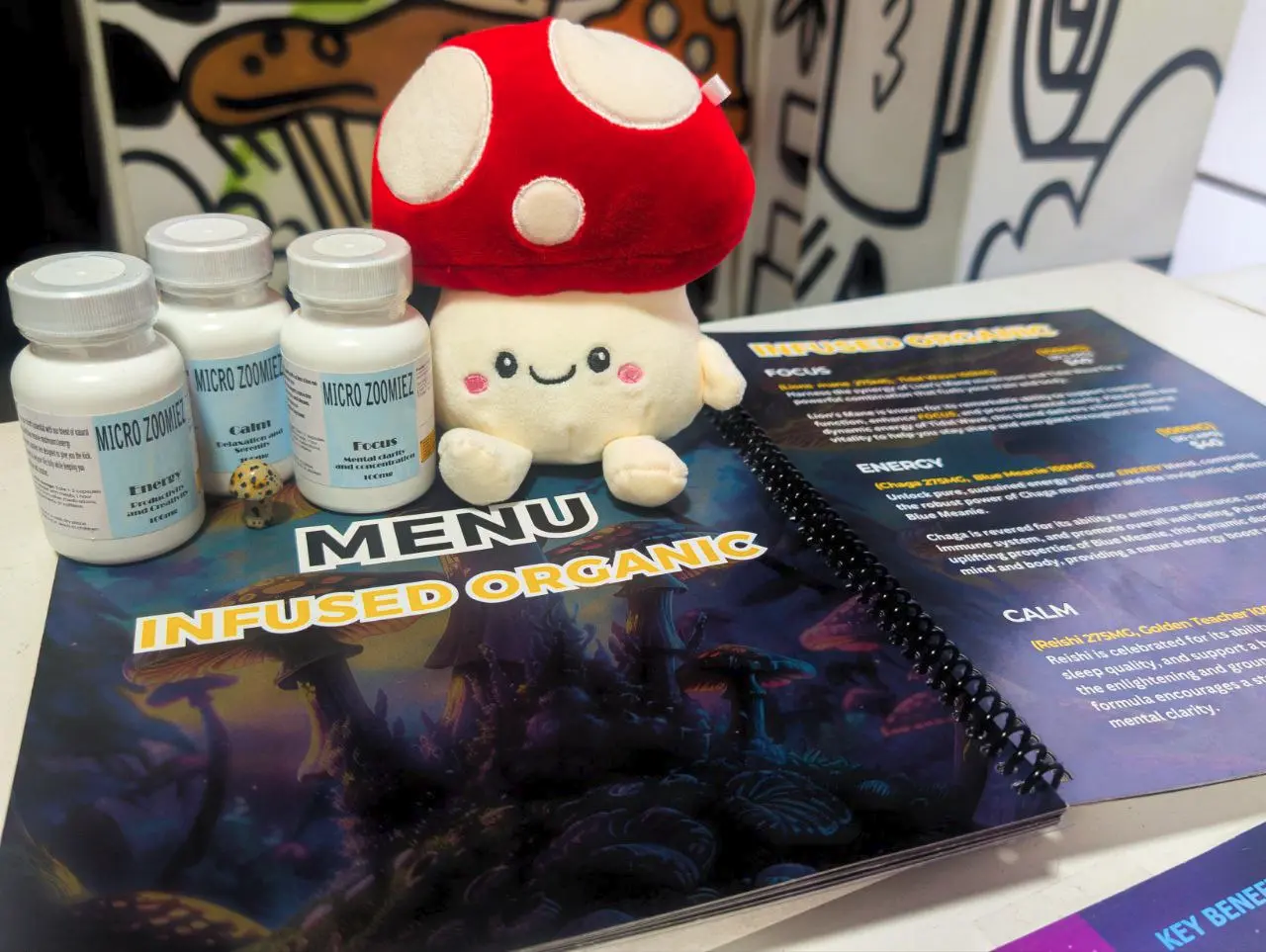
Microdosing is often described online as an effortless way to improve focus, creativity, or mood, but the clinical evidence is far less settled than social media makes it sound. A microdose is intended to be sub-perceptual—much smaller than a psychedelic dose—so it is not expected to produce a trip. However, individual responses vary and research continues. It is better journalism to say "research is ongoing" than to promise an instant productivity transformation. Curious about how people approach small amounts? Our microdose capsules page outlines the basics.
The bottom line
If you remember only one thing, remember the range. A typical oral psilocybin experience begins somewhere around 15 to 45 minutes and commonly lasts about four to six hours. The strongest effects usually arrive during the earlier part of that window, and the experience generally fades gradually.
The bigger story is the growing scientific interest in what happens when psilocybin is studied carefully in controlled environments with trained therapeutic support. Research has found promising signals for depression and anxiety, and scientists are investigating possible changes in emotional processing, flexibility, and connectedness. Those findings are hopeful, but they are not a blank cheque for recreational use, and psilocybin is not an approved therapeutic product in Canada.
The evidence is moving forward, the questions are getting sharper, and the potential is real enough to deserve serious research, while the risks are real enough to deserve serious respect.
Frequently Asked Questions
How long do shrooms last?
For orally consumed magic mushrooms, effects commonly last around 4 to 6 hours, with the peak experience usually occurring within the first 1 to 3 hours followed by a gradual comedown.
How long do shrooms take to kick in?
Initial effects typically begin within 15 to 45 minutes. A full stomach or slower digestion can delay onset.
Why does the trip duration vary between people?
Duration and intensity depend on mushroom potency, dose, metabolic rate, whether food was recently consumed, interactions with medications, and environmental set and setting.
How long does psilocybin stay in your system?
Psilocybin is metabolized into psilocin, which has an elimination half-life of approximately 1.5 to 4 hours in clinical reviews. Detection time varies depending on the type of test, timing, and individual metabolism.
What should you do if an experience becomes frightening?
Reduce sensory stimulation by moving to a quiet, familiar space with dim lighting. Speak calmly, breathe deeply, and have a trusted sober friend stay present. Seek urgent medical care if severe physical symptoms occur.
Does microdosing cause a trip?
No. A true microdose is intended to be sub-perceptual, meaning it does not produce sensory distortions, hallucinations, or an altered state of consciousness.
Is psilocybin an approved therapeutic medicine in Canada?
Health Canada currently states there are no approved therapeutic psilocybin products in Canada. Controlled access exists exclusively through authorized clinical trials and the Special Access Program (SAP).
Ready to explore more?
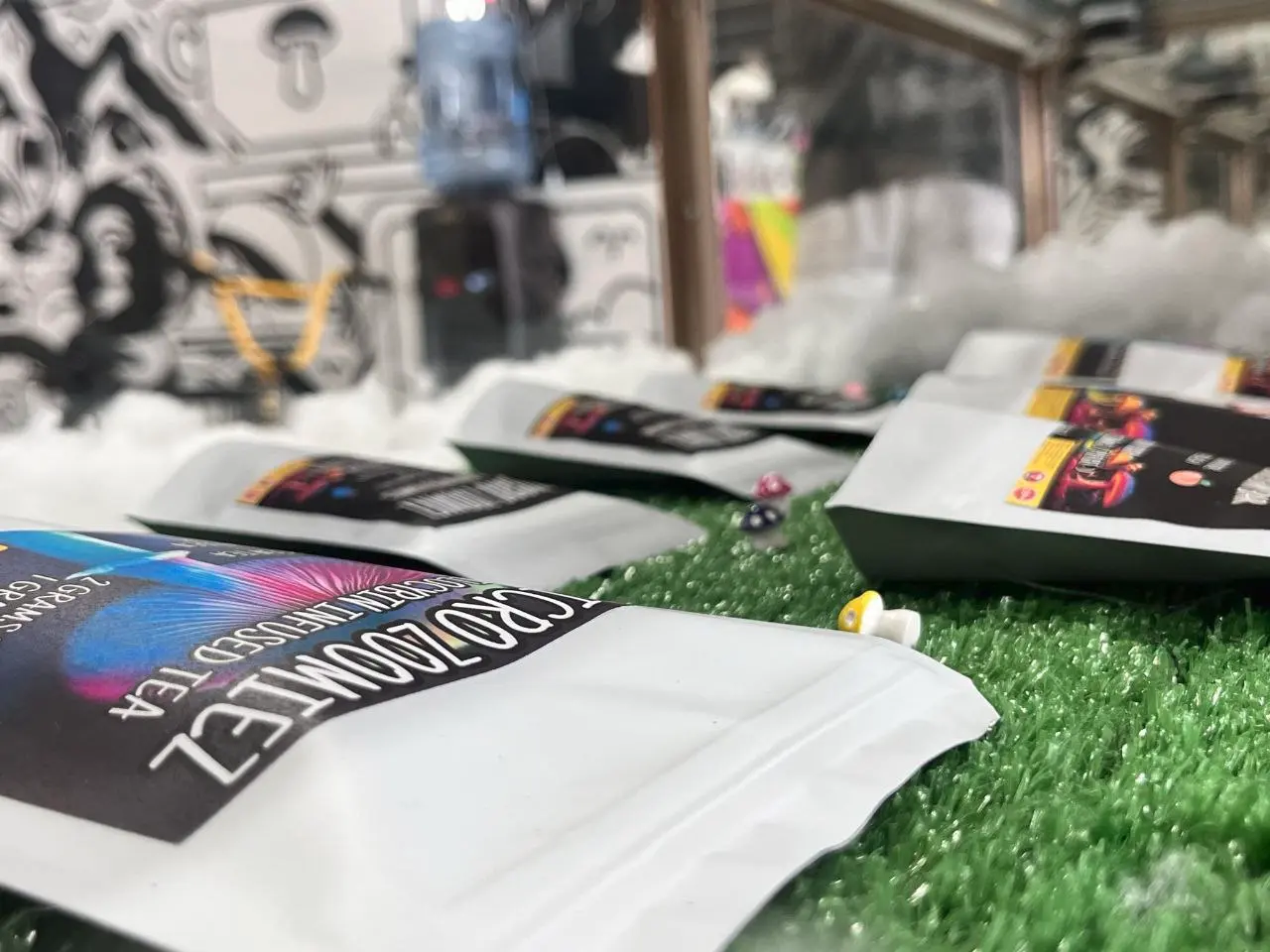
Visit our full shop or dried mushroom strains, explore our educational guides on the MicroZoomiez FAQ, or read customer stories.
Comments
Leave a Comment
Your email address will not be published. Required fields are marked *