

In the past few years, interest in psilocybin mushrooms has shifted from niche curiosity to mainstream conversation. Across neuroscience, psychology and wellness communities, researchers are actively studying how compounds like psilocybin interact with the brain, especially in areas linked to neuroplasticity, emotional processing, learning and cognitive flexibility.
At the same time, consumer interest has grown quickly, with more people exploring different formats such as dried mushrooms, microdoses, capsules and edibles as part of a broader curiosity about brain function, creativity and self development.
This reflects a wider shift in how people think about mental performance, emotional balance and cognitive health.
What Modern Research Is Exploring About Psilocybin and the Brain
One of the most important areas of study is neuroplasticity, which is the brain’s ability to form new connections and reorganize itself over time.
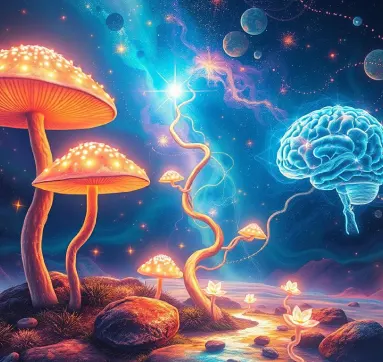
Recent research suggests psilocybin may temporarily change how different brain regions communicate, especially networks linked to self perception, memory and thought patterns. Scientists have also observed shifts in brain connectivity and signaling activity during controlled studies, which may help explain changes in perspective or thinking style in research settings.
Other key areas being studied include cognitive flexibility, emotional processing, creativity, and how the brain adapts to new experiences.
These findings are still developing, but they are helping researchers better understand how consciousness and brain activity interact.
Why Microdosing Has Become Such a Big Topic
Microdosing generally refers to using very small amounts of a substance in a structured way, often without producing strong noticeable effects.
People commonly explore microdosing for focus, creativity, mood support, productivity and personal development routines.
Some studies suggest there may be subtle cognitive or emotional effects in certain contexts, while other research highlights how expectations and mindset can influence reported experiences. This balance between scientific measurement and lived experience is one of the most discussed areas in this field.
What stands out most is how quickly public interest has grown, especially in online communities where people share routines and observations.
Common Questions People Are Asking About Mushrooms and Brain Science
Do psychedelics actually change the brain?
Research suggests psilocybin may temporarily alter brain connectivity, especially in networks involved in self awareness and internal thought patterns. Some studies also indicate changes in how flexible brain communication becomes during controlled settings.
Is microdosing scientifically proven?
The research is still developing. Some studies show mild or inconsistent measurable effects under controlled conditions, while many users report subjective improvements in focus, mood or creativity. Scientists continue to study this gap between laboratory findings and real world experiences.
What is the difference between dried mushrooms, capsules and edibles?
Dried mushrooms are the traditional form, offering flexibility in use, but potency can vary.
Capsules are designed for consistency, structure and ease of use, especially for people who prefer routine based approaches.
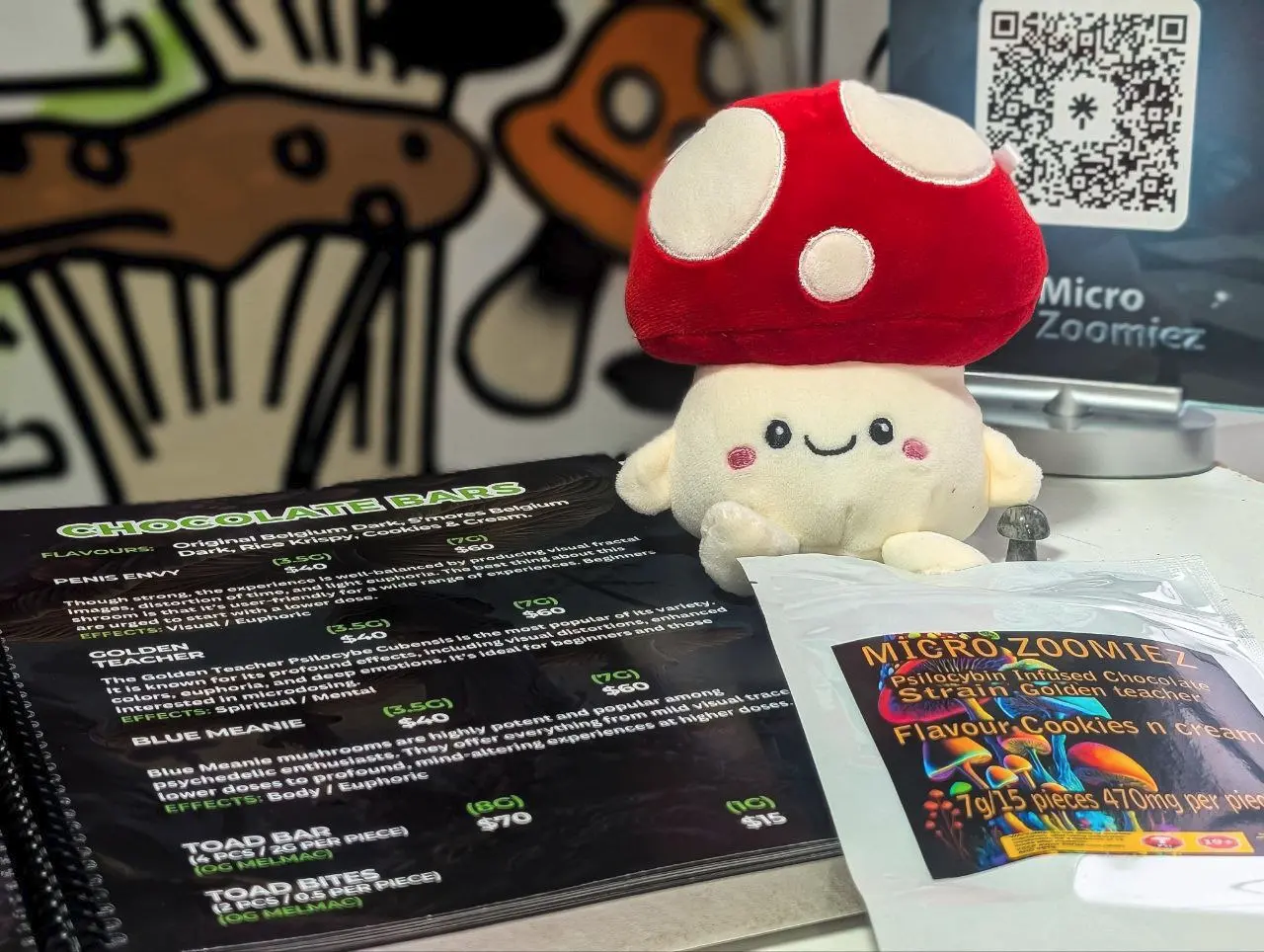
Edibles such as chocolates or gummies focus on convenience and taste, making them more approachable for beginners or casual users.
Each format creates a different experience style even when the core ingredient is similar.
Why is interest in mushrooms growing so fast?
Search trends and online discussions show increasing curiosity around microdosing, brain health, creativity and cognitive performance.
People are not only looking for products, they are actively researching how the brain works, how cognition can be influenced, and how natural compounds may relate to perception and thinking.
This shift has also contributed to the growth of online platforms and delivery based services focused on accessibility and user experience.
The Rise of the Modern Mushroom Market
Over the past few years, the mushroom space has expanded significantly, moving from small communities into a widely discussed digital market.
Search trends show growing interest in microdosing capsules, psilocybin chocolates, mushroom delivery services and functional mushrooms for wellness and focus.
This reflects a broader cultural shift where curiosity about neuroscience overlaps with personal development and lifestyle exploration.
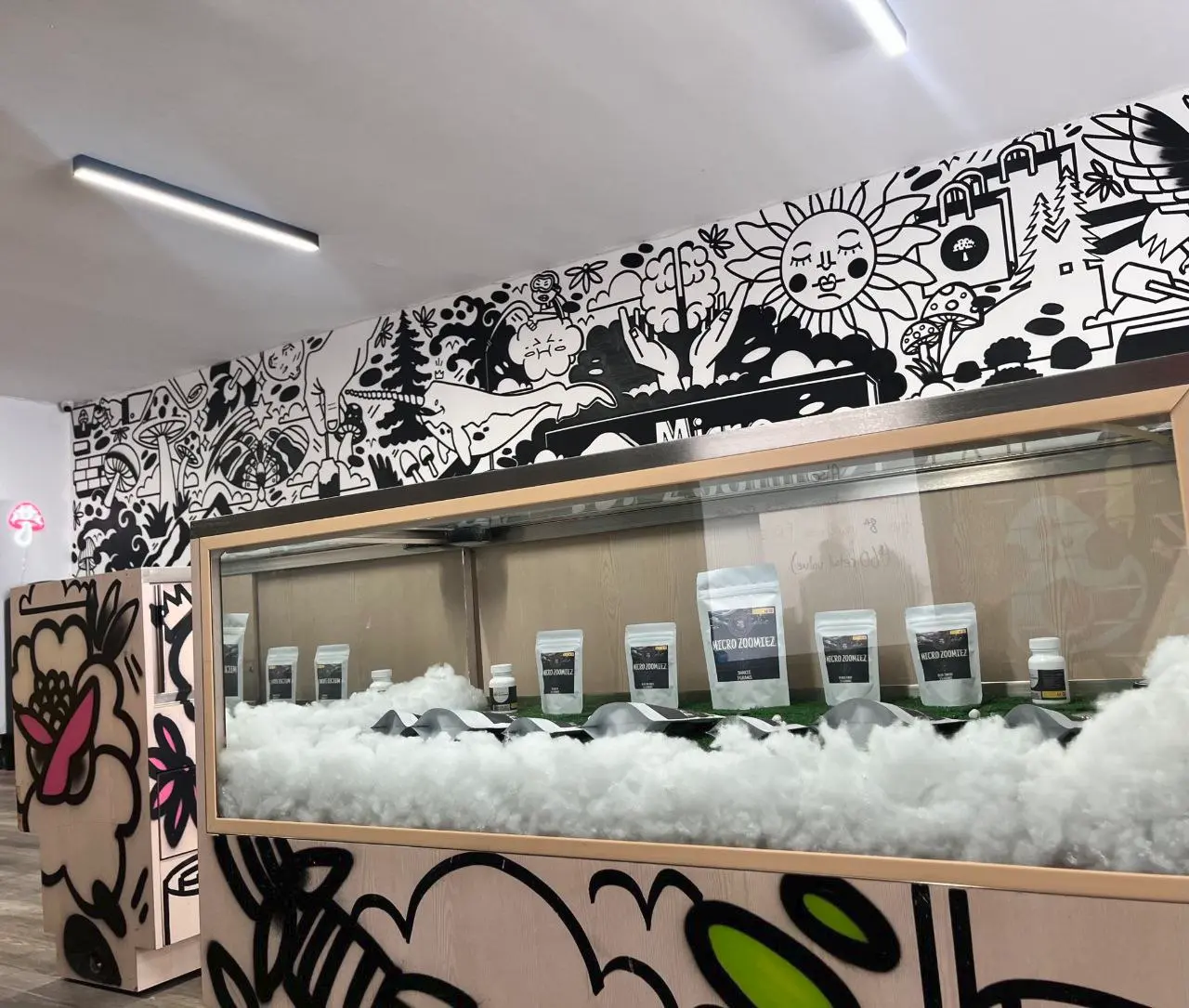
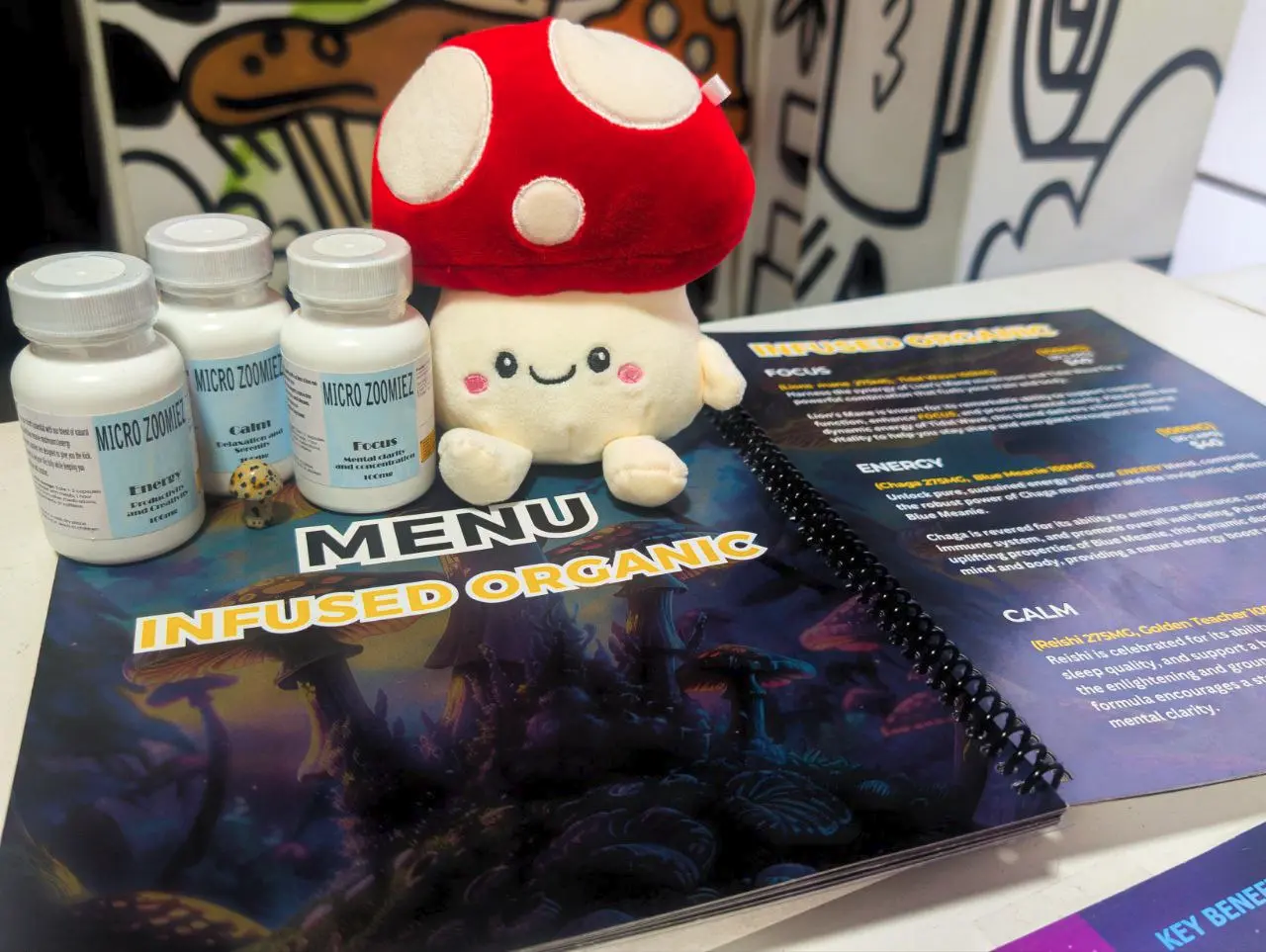
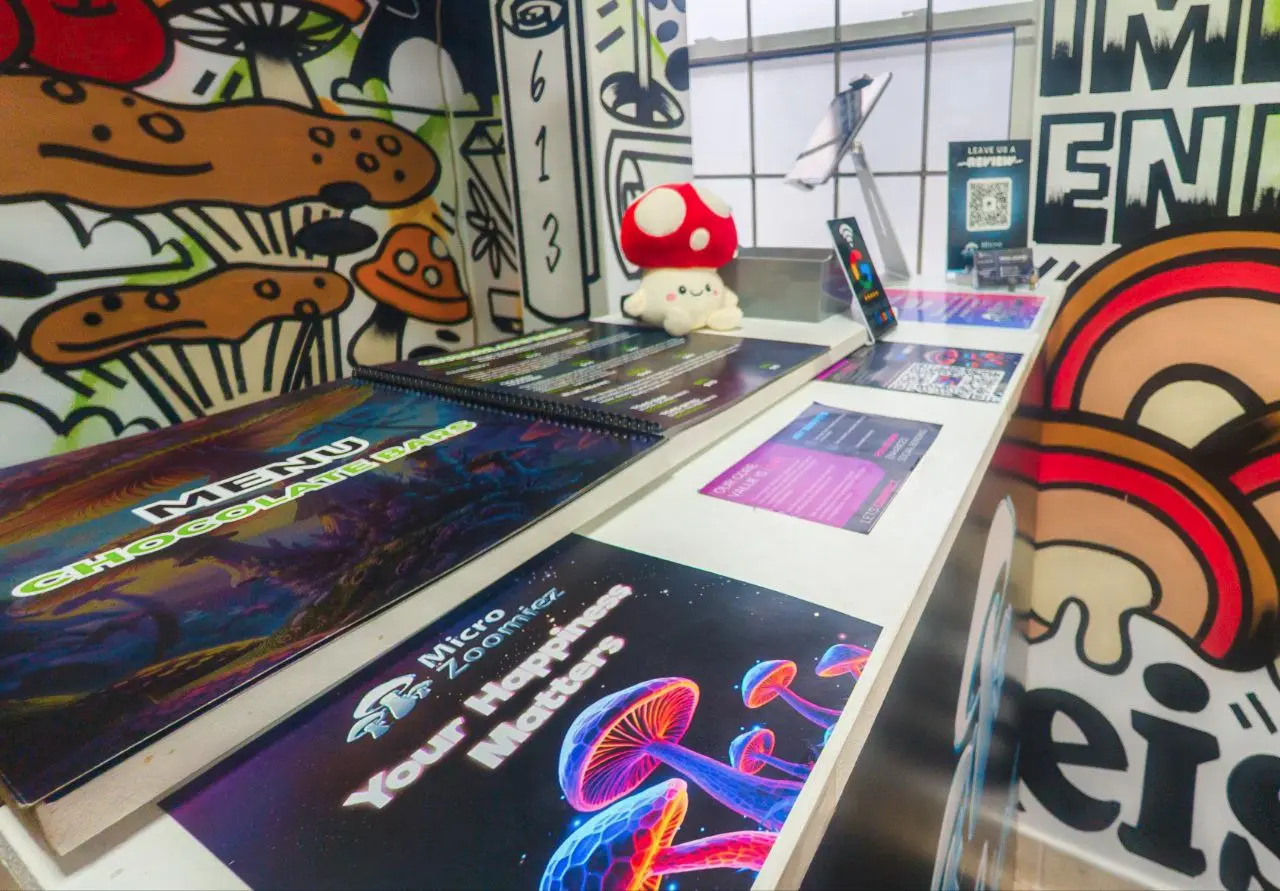
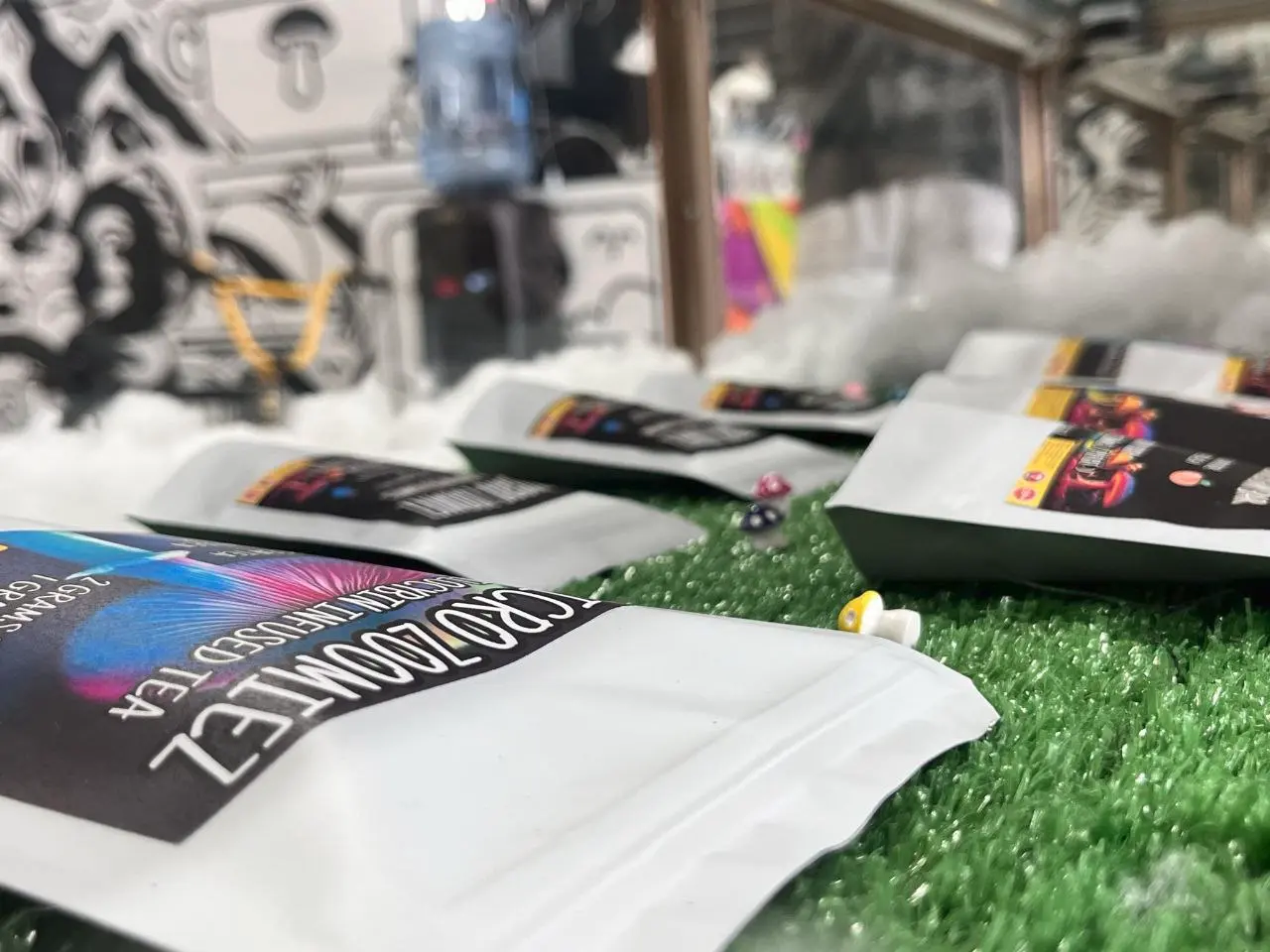
Platforms such as MicroZoomiez have emerged within this evolving space, reflecting demand for accessible, discreet and user friendly ways to explore mushroom based products.
More importantly, the market is now shaped as much by education and conversation as it is by products.
Key Insight
What makes this space interesting is how many fields it connects at the same time, including neuroscience research, mental wellness, cognitive performance, personal development and digital commerce.
People are asking deeper questions, such as how the brain adapts, how creativity works and how consciousness can be better understood.
Final Thought
Psilocybin research is still evolving, but public interest continues to increase, especially around brain health, cognitive flexibility and microdosing practices.
The conversation has moved beyond niche communities and is now part of mainstream curiosity.
Comments
Leave a Comment
Your email address will not be published. Required fields are marked *